Do the Pyramids Have Positive Energy? Exploring Egypt's Most Sacred Ancient Sites
- mosheiraaboghalia

- Jul 27
- 4 min read
For centuries, Egypt's ancient monuments have fascinated archaeologists, historians, travelers, and spiritual seekers. From the Great Pyramid of Giza to the underground tunnels of Saqqara, these remarkable landmarks continue to spark one compelling question:
Do Egypt's ancient monuments possess positive energy?

Many visitors describe feeling peaceful, inspired, or spiritually connected while exploring these sites. Some believe the pyramids and temples emit a unique energy that enhances meditation or healing. Others attribute these experiences to the monuments' architecture, history, and sacred symbolism.
The answer lies somewhere between science, archaeology, psychology, and personal experience.
Why Are Egypt's Ancient Sites Linked to Positive Energy?
The concept of "pyramid energy" has intrigued people for decades. Popular theories suggest that Egypt's monuments harness Earth's natural forces or amplify human consciousness.
While science has not confirmed these claims, the monuments' remarkable engineering, astronomical alignments, and spiritual significance continue to inspire curiosity. Their greatest power may be their ability to evoke awe and reflection.
The Great Pyramid of Giza: Fact Meets Mystery

The Great Pyramid of Giza, the only surviving Wonder of the Ancient World, is one of humanity's greatest engineering achievements. Built over 4,500 years ago, its precise alignment, massive stone blocks, and sophisticated design have inspired countless theories.
Scientific research has identified interesting physical properties related to the pyramid's geometry, but no evidence shows it emits a special healing or spiritual energy.
Still, many visitors describe feeling unusually calm inside its chambers. The silence, scale, and awareness of standing within an ancient masterpiece create an unforgettable experience.
The Great Sphinx: Egypt's Silent Guardian

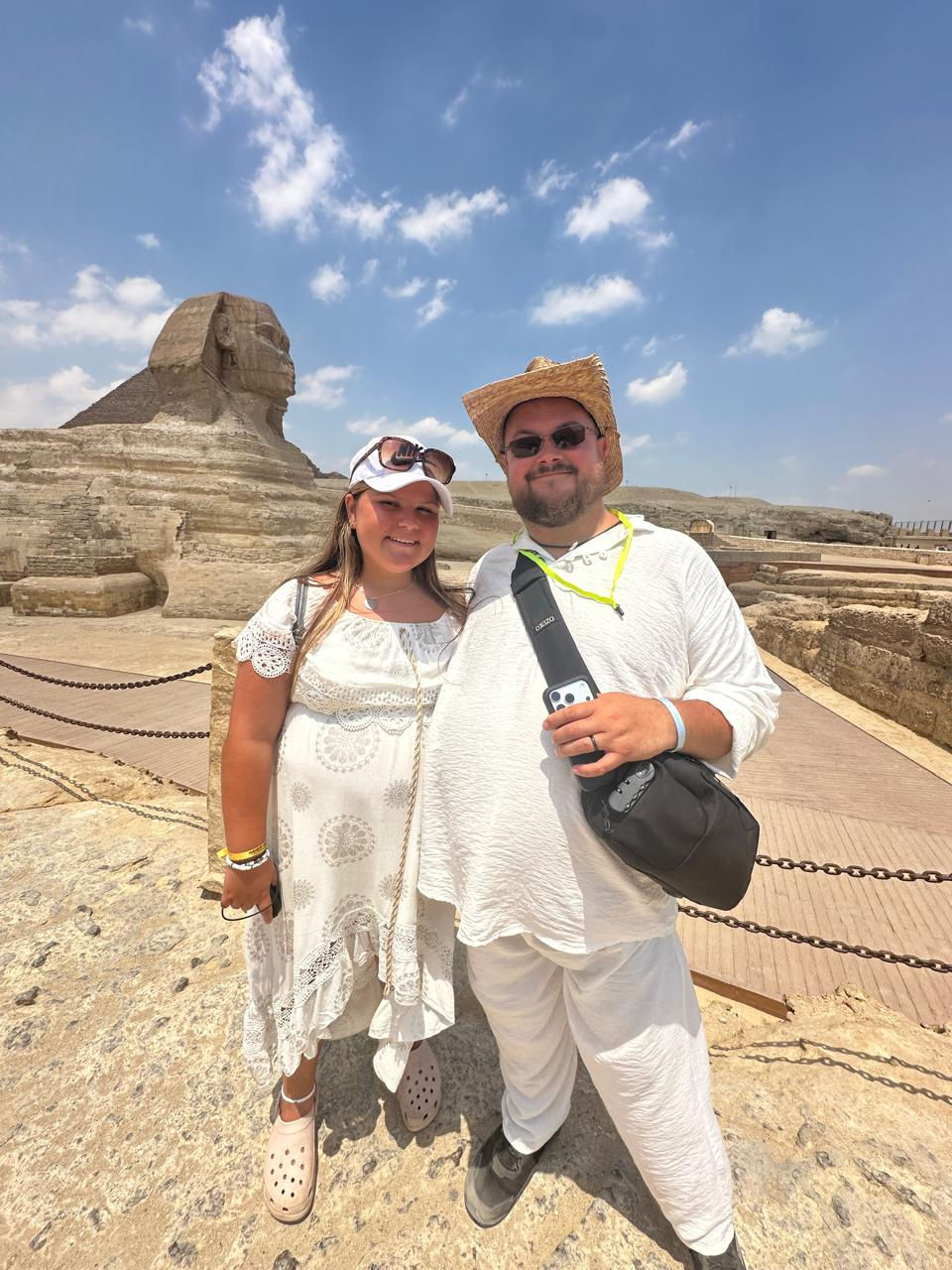
Standing beside the pyramids, the Great Sphinx has long symbolized mystery and protection. Carved from a single limestone outcrop, it has inspired stories of hidden chambers and lost knowledge.
Although no archaeological evidence confirms legends such as the Hall of Records, the monument continues to captivate visitors. Its quiet presence and timeless expression encourage reflection, making it one of Egypt's most emotionally powerful landmarks.
The Osireion: A Monument to Rebirth
Behind the Temple of Seti I at Abydos lies the Osireion, an underground structure associated with Osiris, the god of resurrection.
Built from enormous granite blocks, its cool, partially flooded chambers create a unique atmosphere unlike any other site in Egypt. Many visitors consider it one of the country's most spiritual places.
While archaeology explains its religious purpose, the Osireion's peaceful setting continues to inspire discussions about sacred spaces and positive energy.
The Saqqara Underground Tunnels

Beneath the desert at Saqqara stretches an extraordinary network of tunnels, galleries, and burial chambers that reveal another side of ancient Egyptian civilization.
Among the highlights is the Serapeum, where enormous granite sarcophagi once housed the sacred Apis bulls. Nearby, underground passages lead to royal tombs and ceremonial chambers dating back thousands of years.
The silence, cool temperatures, and enclosed spaces create an atmosphere that many visitors describe as calming and deeply reflective. Whether viewed as positive energy or simply the emotional impact of a sacred place, the experience is unforgettable.
The Pyramid of Unas
The Pyramid of Unas is famous for containing the earliest known Pyramid Texts, sacred inscriptions carved to guide the pharaoh safely into the afterlife.
Rather than serving as an energy generator, the pyramid reflected the ancient Egyptian belief in Ma'at—the universal principle of balance, harmony, and cosmic order.
Today, visitors are often moved not by mysterious forces but by the opportunity to stand among some of humanity's oldest religious writings.
The Bent Pyramid and Red Pyramid
Located at Dahshur, the Bent Pyramid and Red Pyramid mark important milestones in pyramid construction.
The Bent Pyramid's unusual shape and remarkably preserved limestone casing make it one of Egypt's most distinctive monuments. Nearby, the Red Pyramid became Egypt's first successful true pyramid and features spacious chambers with remarkable acoustics.
Far quieter than Giza, these monuments offer visitors an atmosphere of peace that naturally encourages contemplation and mindfulness.
Science vs. Spirituality

Modern science has found no evidence that Egypt's pyramids or temples emit a measurable physical energy capable of healing or altering consciousness.
Psychology, however, offers another explanation. Research shows that experiences of awe can reduce stress, increase mindfulness, and create a stronger sense of connection. Monumental architecture, sacred symbolism, desert silence, and the awareness of standing in places more than four millennia old all contribute to these powerful emotions.
For many visitors, those feelings are every bit as meaningful as the idea of positive energy.
The Enduring Mystery of Ancient Egypt
Whether viewed through science, archaeology, spirituality, or personal experience, Egypt's ancient monuments continue to inspire wonder.
The Great Pyramid, Great Sphinx, Osireion, Saqqara underground tunnels, Pyramid of Unas, Red Pyramid, and Bent Pyramid each reveal a different chapter of Egypt's extraordinary story. Together, they showcase a civilization that mastered engineering, embraced cosmic harmony, and created sacred spaces that still move people today.
Perhaps the greatest mystery is not whether these monuments generate positive energy, but why they continue to inspire millions of visitors thousands of years after they were built. Their true power may lie in their ability to awaken curiosity, encourage reflection, and connect us with one


Comments